India vs United Arab Emirates
Introduction:India vs United Arab Emirates
The Dubai International Cricket Stadium, a cauldron that has witnessed countless high-pressure encounters in the world of cricket, was the stage for a performance of sheer, unadulterated dominance on Wednesday night. In their opening Group A fixture of the Asia Cup 2025, the Indian cricket team didn’t just defeat the United Arab Emirates; they delivered a statement so emphatic it reverberated across the tournament. In a match that was over in the blink of an eye, India bowled out the hosts for a paltry 57 before galloping to the target in a scarcely believable 4.3 overs, winning by 9 wickets and announcing their title intentions with a thunderous roar.
Table of Contents
The Toss: A Welcome Change of Fortune
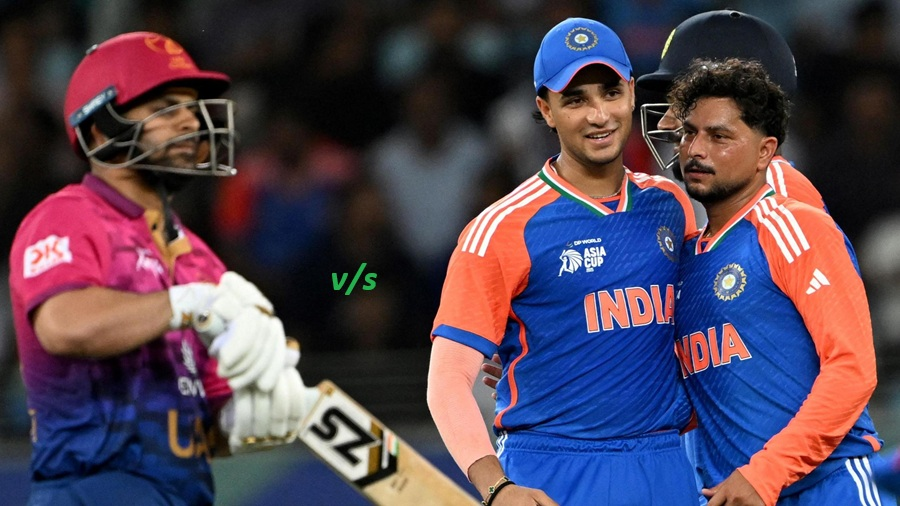
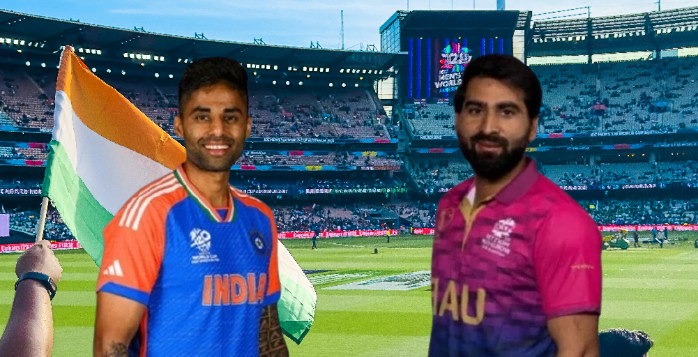
For Indian captain Suryakumar Yadav, the first victory of the evening came at the toss. In a bizarre streak that had become a talking point, India had lost 14 consecutive international tosses. The relief on SKY’s face was palpable as the coin finally landed in his favour. His decision was instantaneous and logical: “We are flexible to do both but we’ll bowl first looking at the humidity and possibility of dew later on.” His counterpart, UAE skipper Muhammad Waseem, concurred, revealing his side would have chosen to field as well, citing a “fresh” pitch and looking to build on the positives from their recent tri-series.
Team Selection: Surprises and Strategies
The Indian team sheet revealed two significant surprises. The anticipated inclusion of wicketkeeper-batter Jitesh Sharma and seamer Arshdeep Singh was set aside. Instead, the experienced Sanju Samson was handed the gloves, adding a different dimension to the middle-order batting, while the selection of a third specialist spinner in Kuldeep Yadav over an extra pacer indicated a clear strategy to exploit the traditionally slow Dubai surface.
India’s Playing XI: Abhishek Sharma, Shubman Gill, Suryakumar Yadav (captain), Tilak Varma, Sanju Samson (wk), Hardik Pandya, Axar Patel, Shivam Dube, Kuldeep Yadav, Varun Chakravarthy, Jasprit Bumrah.
The UAE side, though confident, faced the monumental task of tackling a world-class bowling attack.
The First Innings: A Collapse of Catastrophic Proportions
The innings began with a hint of promise for the underdogs. Hardik Pandya, sharing the new ball with Jasprit Bumrah, was met with assertive intent from UAE opener Alishan Sharafu. The first over itself cost 10 runs, with Sharafu unleashing a crisp cut shot and a thick edge that flew over the slip cordon for boundaries.
However, the introduction of Bumrah from the other end instantly shifted the momentum. After a few play-and-misses, Bumrah produced a trademark masterpiece—a searing, toe-crushing yorker that snuck under Sharafu’s bat (22 off 17 balls) and shattered the stumps. It was a brutal reminder of the gulf in class, a delivery too good for most batters in the world, let alone an Associate nation opener.
The powerplay ended at a semi-respectable 41/2, but it was merely the calm before the storm. The spin trio of Axar Patel, Varun Chakravarthy, and Kuldeep Yadav proceeded to tie the UAE middle order in knots. The scoring ground to a halt, and the pressure inevitably told.
The collapse was triggered by mystery spinner Varun, who had Muhammed Zohaib (2) edging an ambitious slog to Kuldeep at short third man. Then came the main event: the Kuldeep Yadav show.
In a mesmerizing display of wrist-spin, Kuldeep ripped the heart out of the UAE lineup in his second over, the 9th of the innings. He first deceived captain Muhammad Waseem (19), who was trapped plumb in front while attempting a sweep. Two balls later, he flighted one beautifully to lure Rahul Chopra (3) into a lofted drive, only for him to pick out Shubman Gill at long-on. The coup de grâce was delivered to new batter Harshit Kaushik (2), who was comprehensively bowled through the gate by a perfect googly that clipped the top of off-stump. Three wickets in four balls, and UAE had plummeted to 47/5, a position from which recovery was impossible.
The tail had no answer to the pace and precision of Shivam Dube, who justified his all-rounder tag by cleaning up the remaining batters. The innings folded for a meagre 57 runs in just 13 overs, handing India their lowest-ever bowling total conceded in a T20I match—an unwanted record for the hosts.
A Moment of Sportsmanship: Withdrawing the Appeal
Amidst the carnage, a moment of profound sportsmanship shone through. In the 13th over, UAE’s Junaid Siddique was run out at the non-striker’s end after a mix-up. However, in a gesture that echoed the true spirit of cricket, senior players Suryakumar Yadav and Hardik Pandya, after a brief discussion with captain Suryakumar, chose to withdraw the appeal, allowing Siddique to continue his innings. It was a classy move that won widespread praise, demonstrating that even in the heat of a competitive fixture, grace and respect remain paramount.
The Chase: A Blitzkrieg of Brutal Proportions
A target of 58 was never going to test India, but the manner of the chase was what left everyone astounded. It was a brutal exhibition of the new, high-intent philosophy that has come to define the modern Indian T20 approach.
The chase was spearheaded by childhood friends and now national team opening partners, Shubman Gill and Abhishek Sharma. Their chemistry, forged on the grounds of Punjab since their junior days, was evident from the very first ball. Abhishek Sharma announced his arrival on the big stage with an audacious shot, charging down the track to the very first delivery he faced and launching it straight back over the bowler’s head for a colossal six. He followed it up with a savage cut shot for four. 10 runs off the first two balls—the statement was made.
What followed was a calculated assault. Gill, the more classical of the two, joined the party with elegant boundaries—a punch through point, a flick off his hips that sailed over the square-leg fence for six. Abhishek continued his fearless hitting, lofting spinner Dhruv Parashar over extra cover for another maximum.
The only blemish in an otherwise perfect chase was Abhishek’s dismissal for a whirlwind 30 off just 16 balls, holing out to mid-off while looking to finish the game in an even bigger hurry. His departure merely brought Suryakumar Yadav to the crease, who needed exactly two balls to get going, greeting the bowling with his patented flick over fine leg for a six.
The end came with breathtaking speed. Needing just one run to win from 19 balls, Gill elegantly drove through the covers for four, sealing a historic 9-wicket victory with a whopping 15.3 overs to spare. The entire chase lasted just 27 balls, making it one of the most comprehensive run-chases in the history of T20 international cricket.
Analysis: What This Victory Signifies
This was more than just a win; it was a manifesto.
- Bowling Depth and Versatility: India’s attack looked lethal. Bumrah provided the early shock, the spinners created unrelenting pressure, and Dube offered a reliable pace-bowling option. The luxury of having three world-class spinners who are all wicket-taking threats is a formidable asset in UAE conditions.
- The New Aggressive Identity: The Gill-Abhishek partnership is a clear indication of India’s future plans. They are not looking to cautiously navigate powerplays; they are looking to demolish them. This aggressive mindset, trickling down from the top, makes them a terrifying prospect for any bowling attack.
- Psychological Advantage: To win a tournament, momentum is key. India didn’t just start with a win; they started with a performance that boosts their net run-rate to an astronomical level and sends a psychological warning to other contenders, notably Pakistan.
- Sportsmanship: The decision to withdraw the run-out appeal was a powerful reminder of the game’s values. It showcased leadership and character, qualities as important as skill in a tournament setting.
Looking Ahead
For the United Arab Emirates, it’s a harsh lesson at the highest level. Their batting frailties were exposed by a top-tier attack, and they will need to regroup quickly for their next fixtures.
For India, the start could not have been more perfect. Every box was ticked: the bowlers were ruthless, the batters were explosive, and the team displayed unity and sportsmanship. As they move forward in the tournament, this performance will serve as a benchmark—a terrifyingly high one for their opponents. The message from Dubai was clear: India is here not just to compete, but to conquer.
About the Author