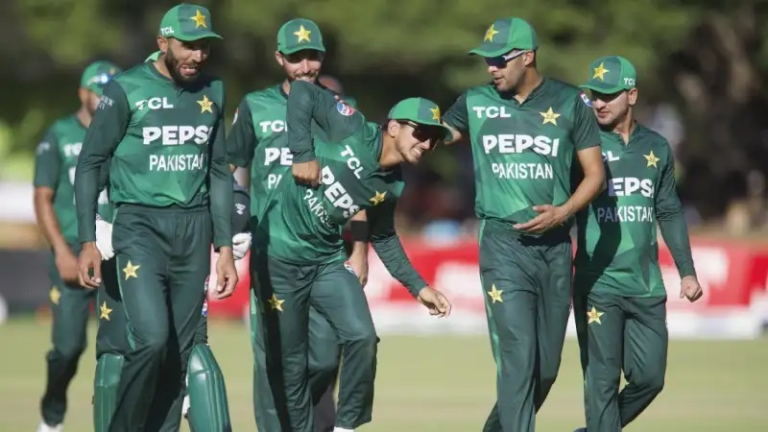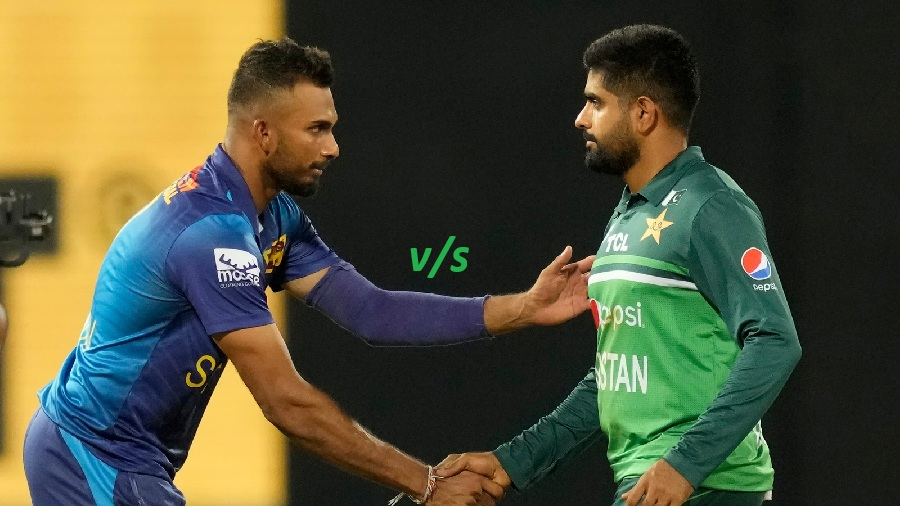
Sri Lanka vs Pakistan cricket match
Introduction:Sri Lanka vs Pakistan cricket match
Cricket is more than just a game; it’s a narrative written in runs, wickets, and overs. And when it comes to the Sri Lanka national cricket team versus the Pakistan national cricket team, that narrative is often one of the most thrilling, unpredictable, and emotionally charged in the sport. To the untrained eye, a scorecard is just a table of statistics. But to a fan, it’s a storybook, a tactical blueprint, and a historical record all rolled into one.
Table of Contents
The Rivalry: A Crucible of Talent and Nerve
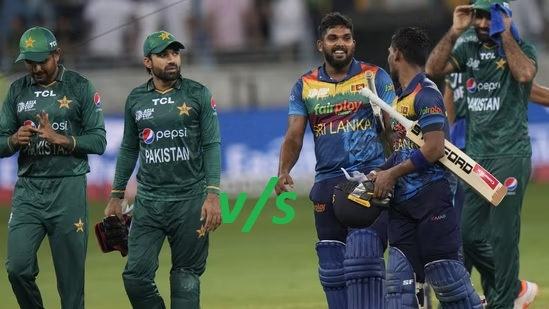
Before we dissect the scorecard, it’s essential to understand the context of this rivalry. Unlike the storied histories of Ashes or Indo-Pak clashes, Sri Lanka vs. Pakistan is a rivalry built on mutual respect, similar playing conditions, and a shared flair for mercurial brilliance. Both teams produce world-class fast bowlers and magician-like spin wizards. Both have batting line-ups capable of both breathtaking elegance and catastrophic collapse.
This inherent unpredictability is what makes their scorecards so fascinating. You’re not just looking at who won; you’re looking at how they won—the individual duels, the momentum shifts, and the moments of genius that decided the contest.
Deconstructing the Scorecard: A Section-by-Section Guide
A typical cricket scorecard is divided into several key sections. Let’s break them down using a hypothetical—but very realistic—example from a One Day International (ODI) between these two sides.
1. The Team Innings: The Macro Story
At the top, you’ll see the basic result:
Pakistan: 297/7 (50.0 overs)
Sri Lanka: 287/9 (50.0 overs)
Result: Pakistan won by 10 runs.
This immediately tells us:
- A High-Scoring Game: Nearly 600 runs were scored, suggesting a good batting pitch.
- A Close Contest: A 10-run victory is a nail-biting finish, especially in ODI cricket.
- Pakistan’s Edge: Their extra two wickets in hand (7 down vs. 9 down) might have been crucial in allowing them to play aggressively at the end.
2. The Batting Card: Tales of Triumph and Woe
This is where the heroes and villains emerge. Let’s look at Pakistan’s batting:
| Batter | Runs | Balls | 4s | 6s | SR | How Out | Bowler |
|---|---|---|---|---|---|---|---|
| Imam-ul-Haq | 85 | 98 | 8 | 1 | 86.73 | c. Mendis b. Hasaranga | |
| Babar Azam (c) | 103 | 107 | 10 | 2 | 96.26 | lbw b. Chameera | |
| Mohammad Rizwan | 45 | 32 | 4 | 1 | 140.62 | run out (Shanaka) |
- Babar Azam’s Century: The scorecard highlights a classic “captain’s knock.” A century (100+ runs) at a healthy Strike Rate (SR) of 96.26, meaning he scored quickly while anchoring the innings. The 10 boundaries (4s) show he was finding the gaps with ease.
- Imam-ul-Haq’s Support Role: His 85 runs were vital. A lower strike rate suggests he played the supporting role, allowing Babar to flourish. His dismissal to Wanindu Hasaranga (c. Mendis b. Hasaranga – caught by Mendis, bowled by Hasaranga) signals a key wicket for Sri Lanka, breaking a dangerous partnership.
- The Late Flourish: Mohammad Rizwan’s explosive 140.62 strike rate shows how Pakistan accelerated at the death overs. The “run out” indicates a possible moment of panic or brilliant fielding, perhaps by Sri Lankan captain Dasun Shanaka.
3. The Bowling Figures: The Art of Restriction and Destruction
Now, let’s examine Sri Lanka’s bowling figures:
| Bowler | Overs | Maiden | Runs | Wickets | Economy |
|---|---|---|---|---|---|
| D. Chameera | 10.0 | 0 | 58 | 2 | 5.80 |
| W. Hasaranga | 10.0 | 0 | 52 | 3 | 5.20 |
| M. Theekshana | 10.0 | 0 | 61 | 1 | 6.10 |
- The Wicket-Taker: Hasaranga was the most successful bowler (3 wickets) and also the most economical (5.20 runs per over). This is a golden performance—taking wickets while constraining the run flow. He was Sri Lanka’s key weapon.
- The Workhorse: Chameera, the pace spearhead, took two key wickets (perhaps including Babar Azam’s). His economy of 5.80 is respectable on a batting-friendly pitch.
- The Off-Day: Theekshana, usually a very economical spinner, went for 6.10 runs per over. This suggests the Pakistani batters targeted him, and his single wicket came at a high cost.
4. The Fall of Wickets: The Story of Momentum
This often-overlooked section is a narrative timeline:
Pakistan: 1-112 (Imam-ul-Haq, 22.4 ov), 2-187 (Babar Azam, 36.1 ov), 3-250 (Rizwan, 43.5 ov)…
This tells us:
- The first wicket fell at 112 runs—a solid, foundation-laying opening partnership.
- The second wicket at 187 shows another good partnership followed. The big collapse never came, which is why Pakistan posted a high total.
- The fall of Rizwan’s wicket at 250 in the 44th over might have triggered a mini-collapse (we’d see subsequent wickets falling quickly), preventing them from reaching 310+.
Case Study: The 2022 Test Match in Galle – A Scorecard Masterpiece
To see this in action, let’s recall a real-life classic: The 1st Test in Galle, July 2022.
The Narrative: Sri Lanka posted a strong 222 in their first innings. Pakistan, in reply, were bowled out for 218—a tiny 4-run lead for Sri Lanka. The match was perfectly poised.
The Turning Point in the Scorecard: In Sri Lanka’s second innings, look at the bowling figures for Pakistan:
- Prabath Jayasuriya: 5/117 & 5/152 (10 wickets in the match)
- Dhananjaya de Silva: 2/41 & 4/76 (Crucial all-rounder wickets)
But the batting card for Pakistan’s run-chase of 342 tells the real story:
- Abdullah Shafique: 160* (525 minutes at the crease)
- Babar Azam: 55 (anchoring a partnership)
- Mohammad Rizwan: 40* (sealed the victory)
The scorecard shows a monumental, record-breaking fourth-innings chase. Shafique’s score of “160*” (not out) next to his name isn’t just a number; it’s a testament to incredible concentration, skill, and mental fortitude on a deteriorating pitch against a world-class spinner (Jayasuriya). The scorecard immortalizes one of the greatest run-chases in Test history.

Conclusion: The Scorecard as a Historical Document
A Sri Lanka vs. Pakistan scorecard is never just a record of who scored what. It is a dense, information-rich story.
- It tells you about the pitch conditions: Was it a bowler’s paradise with averages of 20, or a batting road with centuries galore?
- It reveals the key tactical battles: Did Sri Lankan spinners dominate? Or did Pakistani pacers make the early breakthroughs?
- It immortalizes individual brilliance: From Sanath Jayasuriya’s blistering centuries of the past to Shaheen Afridi’s fiery opening spells today.
The next time you see the result of a match between these two cricketing giants, don’t just check the winner. Dive into the scorecard. Look for the century that anchored the innings, the bowler who economy rate strangled the opposition, and the partnership that changed the game. You’ll find that the numbers sing a song of courage, skill, and unforgettable drama. That is the magic of cricket, and it’s all captured in the timeless duel between the Lions and the Green Shirts.
About the Author