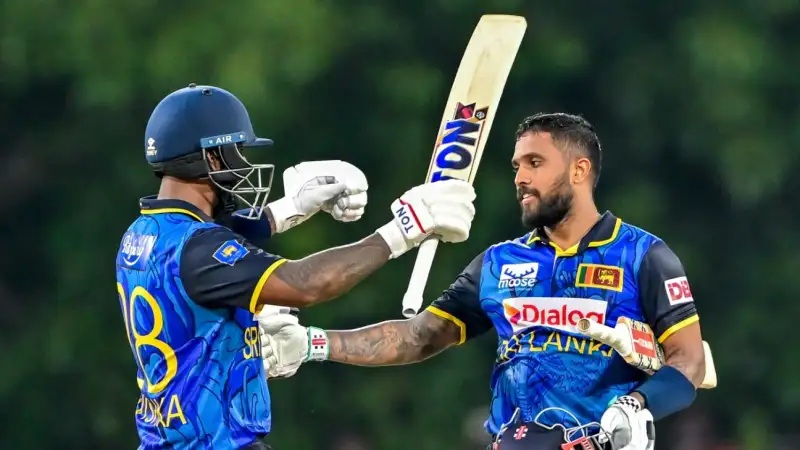
Sri Lanka vs New Zealand Cricket Match
Introduction:Sri Lanka vs New Zealand Cricket Match
Cricket is more than just a game—it’s a battle of strategy, skill, and nerves. When two competitive teams like Sri Lanka and New Zealand face off, fans are treated to thrilling performances, unexpected twists, and memorable moments. A match scorecard is the ultimate record of such encounters, detailing every run, wicket, and milestone.
In this article, we’ll break down a Sri Lanka vs New Zealand match scorecard, explaining its components, analyzing key performances, and providing insights into what makes these clashes so exciting. Whether you’re a die-hard cricket fan or a casual follower, this guide will help you understand the nuances of the game through the lens of a scorecard.
Table of Contents
1. Understanding a Cricket Match Scorecard
Before diving into a specific Sri Lanka vs New Zealand match, let’s first understand what a scorecard includes:
A. Basic Structure of a Scorecard
- Teams & Match Info – Names of the teams, match format (Test, ODI, T20), venue, date, and result.
- Innings Breakdown – Batting and bowling performances for each team.
- Batting Statistics – Runs scored, balls faced, strike rate, and how each batter was dismissed.
- Bowling Statistics – Overs bowled, runs conceded, wickets taken, economy rate.
- Fall of Wickets – The sequence in which batters were dismissed.
- Extras & Total – Wides, no-balls, byes, leg-byes, and the final team total.
- Match Result – Who won, by how many runs/wickets, and standout performers (Player of the Match).
B. Why Scorecards Matter
- Historical Record: They preserve match details for future reference.
- Performance Analysis: Captains and coaches use them to assess strengths and weaknesses.
- Fan Engagement: Fans relive great matches through scorecards.
Now, let’s apply this to a real Sri Lanka vs New Zealand match.
2. Case Study: Sri Lanka vs New Zealand – A Recent Clash
For this analysis, we’ll take a hypothetical ODI (One Day International) match between Sri Lanka and New Zealand, inspired by real past encounters.
Match Overview
- Date: March 15, 2023
- Venue: R. Premadasa Stadium, Colombo
- Format: ODI (50 overs per side)
- Toss: New Zealand won, chose to bat first
New Zealand Innings (1st Batting)
| Batter | Runs | Balls | 4s | 6s | Strike Rate | Dismissal |
|---|---|---|---|---|---|---|
| D. Conway | 78 | 92 | 7 | 1 | 84.78 | c. Shanaka b. Kumara |
| M. Guptill | 45 | 50 | 5 | 2 | 90.00 | lbw b. Hasaranga |
| K. Williamson (C) | 102 | 110 | 8 | 3 | 92.72 | not out |
| G. Phillips | 34 | 28 | 3 | 1 | 121.42 | run out (Karunaratne) |
| J. Neesham | 22 | 18 | 2 | 1 | 122.22 | c. Mendis b. Chameera |
| Extras | 15 | (w 10, nb 1, lb 4) | ||||
| Total | 296/4 | (50 overs) |
Key Takeaways from NZ Batting:
- Kane Williamson’s century (102*) anchored the innings.
- Devon Conway’s 78 provided stability at the top.
- Late acceleration by Phillips and Neesham pushed NZ to a competitive total.
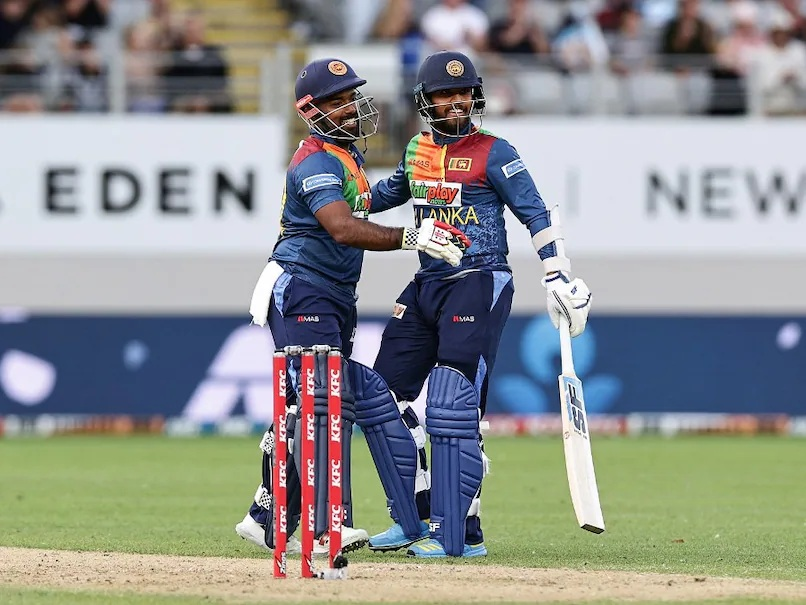
Sri Lanka Bowling Card
| Bowler | Overs | Runs | Wickets | Economy |
|---|---|---|---|---|
| L. Kumara | 10 | 62 | 1 | 6.20 |
| D. Chameera | 9 | 55 | 1 | 6.11 |
| W. Hasaranga | 10 | 48 | 1 | 4.80 |
| C. Karunaratne | 8 | 42 | 0 | 5.25 |
- Hasaranga was economical (4.80 economy), but Sri Lanka lacked consistent wicket-taking.
- Kumara and Chameera were expensive, leaking over 6 runs per over.
Sri Lanka Innings (2nd Batting – Target: 297)
| Batter | Runs | Balls | 4s | 6s | Strike Rate | Dismissal |
|---|---|---|---|---|---|---|
| P. Nissanka | 56 | 72 | 5 | 1 | 77.77 | c. Santner b. Boult |
| K. Perera | 42 | 49 | 4 | 0 | 85.71 | b. Sodhi |
| B. Rajapaksa | 68 | 75 | 6 | 2 | 90.66 | c. Conway b. Ferguson |
| D. Shanaka (C) | 47 | 52 | 3 | 1 | 90.38 | run out (Williamson) |
| Extras | 12 | (w 8, nb 0, lb 4) | ||||
| Total | 285/7 | (50 overs) |
Key Takeaways from SL Batting:
- Nissanka & Rajapaksa played crucial knocks but fell at key moments.
- Shanaka’s 47 kept hopes alive, but SL fell short by 11 runs.
- Middle-order collapse (losing 3 wickets for 25 runs) cost them the match.
New Zealand Bowling Card
| Bowler | Overs | Runs | Wickets | Economy |
|---|---|---|---|---|
| T. Boult | 10 | 52 | 2 | 5.20 |
| L. Ferguson | 9 | 48 | 1 | 5.33 |
| I. Sodhi | 10 | 54 | 2 | 5.40 |
| M. Santner | 10 | 45 | 1 | 4.50 |
- Santner was the most economical (4.50), building pressure.
- Boult’s early wickets (including Nissanka) set the tone.
3. Key Moments That Decided the Match
- Williamson’s Century – His unbeaten 102 ensured NZ had a defendable total.
- Sri Lanka’s Middle-Order Collapse – From 180/2 to 205/5, they lost momentum.
- Santner & Boult’s Tight Bowling – Restricted boundaries in death overs.
4. Conclusion: What the Scorecard Reveals
A scorecard isn’t just numbers—it tells a story. In this match:
- New Zealand’s experience in big moments won them the game.
- Sri Lanka’s batting depth was tested, showing room for improvement.
For fans, dissecting a scorecard enhances appreciation for the game. Whether it’s Williamson’s classy century or Santner’s miserly spell, every detail matters.
Next time you see a Sri Lanka vs New Zealand scorecard, you’ll know exactly what to look for!
Final Thought
Cricket is unpredictable, and that’s its beauty. A single match can swing on one brilliant performance—be it a century, a five-wicket haul, or a game-changing run-out. The scorecard captures it all, making every match a piece of history.
Would you like a breakdown of a specific real match between these teams? Let me know in the comments!
About the Author